
Fish Hunter 2 brings target choices into a more organized view for players comparing their next move. With JILICC, the content gives enough context to reduce confusion, support calmer choices, and make each early step feel more manageable, before account action or game time starts to feel rushed.
Why Fish Hunter 2 keeps players engaged longer
This game stands out because each round feels active from the first shot to the final target on screen. The pace stays lively, yet the rule set remains simple enough for new players to learn quickly. The sections below explain the setup, the target types, and the reasons many users return regularly.
Fish Hunter 2 overview and arcade ocean theme
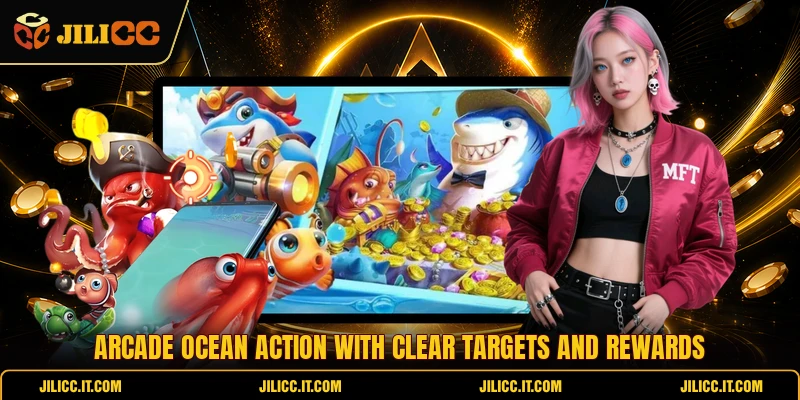
The game uses a bright underwater layout, moving targets, and visible shot effects that help players track every action clearly. Different fish sizes create changing reward values, while special creatures add extra tension during each wave. The visual style stays clean, so players can focus on aim timing instead of reading crowded menus.
>>> View more: Dragon Fish Hunter Helps Players Track Action More Confidently
Weapon controls and target patterns explained clearly
A session usually starts with choosing a cannon level, then adjusting fire rhythm according to target speed and direction. In Fish Hunter 2, smaller targets often move in groups, while larger creatures cross the screen less often. This design helps players switch between steady shooting and selective aiming without losing the game flow.
Reward flow that stays easy to follow
Each successful hit contributes to a direct reward result, and the display updates without delay after the target drops. Players can see projectile strength, active balance, and target movement in one frame for smoother reading. That structure supports faster decisions when the pace rises during busy rounds.
Special creatures and bonus moments on screen
Some stages introduce rare sea creatures that absorb more hits but usually return stronger value when defeated. During Fish Hunter 2, these appearances change the pace and encourage players to adjust cannon strength carefully. The round feels more dynamic because standard fish and premium targets often move together across the same area.
Core rules and hit mechanics every player should know
Before starting a longer session, it helps to understand how shots are counted and how rewards are calculated. The rules are not difficult, though timing and target selection affect the result of each round.
How shot value and cannon level interact
Every projectile uses a selected value, so stronger cannon settings increase cost per shot and potential return at the same time. In Fish Hunter 2, this balance matters because firing too high at common fish can reduce efficiency quickly. A better approach is matching cannon strength with target size and movement pattern on each wave.
When fish are defeated and rewards are credited
A fish drops only after the required hit threshold is reached, and that threshold varies by species and special stage event. Once defeated, the reward posts directly to the active round display for immediate confirmation. This direct result helps players track performance without leaving the game screen.

>>> View more categories: Fishing
Area coverage, spread, and moving target lanes
Shots do not work like random taps, because movement lanes influence how often projectiles connect with a target path. During Fish Hunter 2, grouped fish swimming across narrow zones often provide better hit coverage than scattered single targets. Players who watch lane patterns closely can improve shot efficiency without changing the basic rules.
Practical tips for smoother sessions and cleaner targeting
A good session often depends on reading movement before increasing shot value too early. The points below focus on practical actions that fit the actual pace of the game. Each note is simple, direct, and useful for both new players and regular members.
- Lane reading: Watch how targets enter from one side before they cross the center. In Fish Hunter 2, center-lane shots often connect more consistently than edge chasing.
- Cannon adjustment: Raise projectile value only when larger targets stay on screen long enough. Quick changes help preserve balance during mixed waves.
- Group targeting: Aim at clustered fish when several paths overlap at the same moment. This approach can produce better coverage with fewer wasted shots.
- Boss timing: Start firing when the boss enters a stable route instead of the far edge. Early alignment improves tracking across the full lane.
- Screen focus: Keep attention on one active area instead of following every target at once. A narrow focus often leads to cleaner shot rhythm.
- Pace control: Use short firing bursts when the screen becomes crowded with fast fish. This makes movement easier to read and reduces unnecessary taps.
Access steps and key features worth noticing
Getting started is straightforward when players know where to enter, what to select, and how the interface is arranged. Beyond access, several built-in features also shape the overall rhythm of each session.
How to open the game and begin a round
Players usually enter through the game lobby, select the title, and wait for the loading screen to complete fully. JILICC presents the title with visible controls, making it easier to begin without confusion during the first visit. After loading finishes, choose a cannon value and start by observing target speed before firing repeatedly.
Features that improve pacing and screen clarity
The interface places key data in visible positions, including active shot level, current result, and target movement lanes. In Fish Hunter 2, this layout supports faster decisions because essential information stays readable throughout the round. Players can react more naturally when action effects do not block fish paths or cannon direction.
What new players should notice first
New users should first look at cannon settings, target speed, and the difference between standard and premium creatures. That early focus helps build familiarity with the screen before the pace becomes more intense. A calm first round often makes later decisions feel clearer and more controlled.
Why repeat sessions feel more structured
The game keeps its core rule set consistent, so returning players can build better timing from previous rounds. During Fish Hunter 2, familiar lane patterns and visible feedback create a more structured rhythm over time. This steady design helps sessions feel organized rather than confusing, even when the screen grows busy.
Conclusion
Fish Hunter 2 becomes a steadier reference when players check the topic before acting. On JILICC, the details can support a calm decision, a smoother start, and better control when play begins with good luck, so the experience begins with calm focus and better control.